
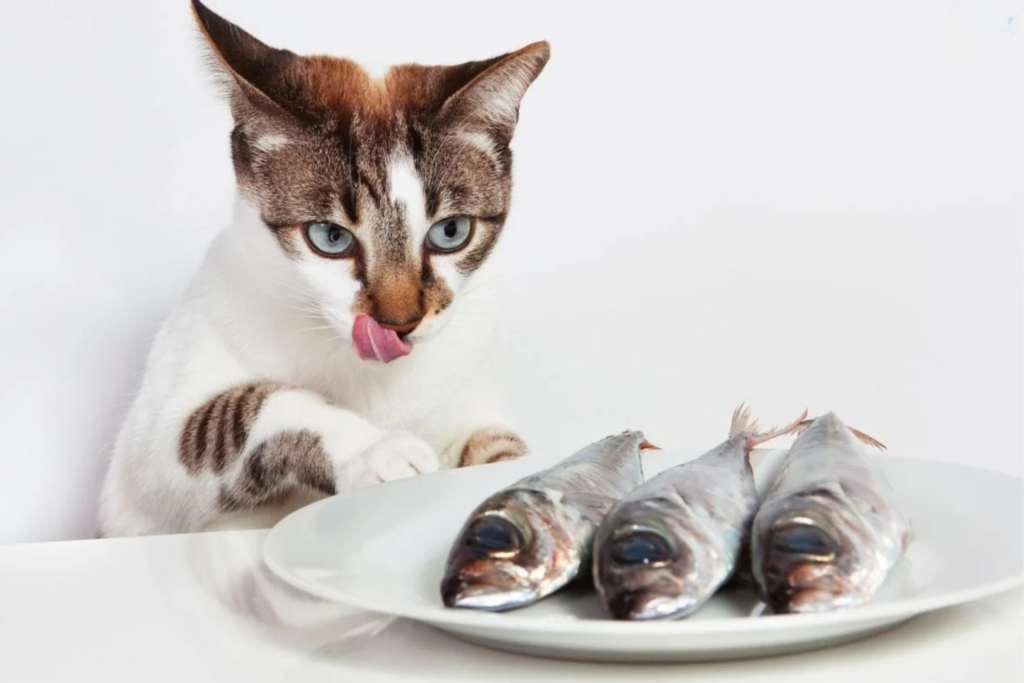
While most cats eat a standard diet of kibble or canned food, these meals can sometimes lose their nutritional “spark” during the cooking process. High temperatures often break down the delicate healthy fats that cats need for their skin and joints. Because of this, many cat parents are turning to sardine powder as a mess-free way to add those missing nutrients back into the bowl.
Sardine powder is essentially just whole sardines that have been dried and ground into a fine, shaker-friendly dust. It’s a shelf-stable alternative to fish oils, which can get messy or go “off” quickly. But what exactly makes this tiny fish such a helpful addition to a cat’s daily routine? Let’s break it down.
What is Sardine Powder?
Sardine powder is made by drying sardines at low temperatures to keep the nutrients intact. Unlike larger fish like tuna or salmon, sardines live short lives and stay at the bottom of the ocean’s food chain. This means they don’t have much time to pick up the heavy metals or toxins often found in bigger fish, making them a very clean source of nutrition.
The result is a concentrated topper that’s easy to store in your pantry and even easier to sprinkle over dinner.
Fresh Sardines vs. Sardine Powder
Feature | Fresh/Canned Sardines (In Water) | Sardine Powder |
Preparation | Needs mashing and portioning | Ready to sprinkle instantly |
Shelf Life | Lasts 2 days in the fridge | Lasts months in the pantry |
Odour | Very strong fishy smell | Mild, savoury scent |
Cleanliness | Oily fingers and messy tins | Clean and dry |
Why should I care about Omega-3s?
Cats are “obligate carnivores,” which is a fancy way of saying their bodies are designed to get their best nutrition from animal sources. They especially need two types of marine fats called EPA and DHA. Since cats cannot make these fats on their own, they have to eat them.
What exactly are EPA and DHA?
Think of these as the ‘dynamic duo’ of Omega-3s. While they are both healthy fats found in fish, they have different jobs:
- EPA (Eicosapentaenoic Acid): This is the internal firefighter. It helps soothe inflammation throughout the body, making it a lifesaver for itchy skin and stiff joints.
- DHA (Docosahexaenoic Acid): This is the brain and eye fuel. It supports cognitive function (keeping your cat sharp) and maintains healthy vision.
Basically, if you want a cat that moves well, thinks fast, and looks fabulous, these two are non-negotiable.
Here is how a little extra sardine powder can support a healthy cat:
- Softer, Shinier Fur: These healthy fats nourish the skin from the inside out. This can help reduce dander and make their coat feel much softer to the touch.
- Support for Older Joints: Just like humans, cats can get a bit stiff as they age. Omega-3s act as a natural lubricant for the joints, helping them stay a bit more mobile.
- Brain Health: These fats are “brain food.” They are important for growing kittens and can help keep senior cats feeling sharp.
- Help for Picky Eaters: Most cats love the savoury, “umami” taste of sardines. If your cat is bored with their food, a sprinkle of powder can make their meal much more exciting
How to Safely Use Sardine Powder
Sardine powder is a topper, not a full meal. Since it’s rich in healthy fats, a little bit goes a long way. Think of it as a daily vitamin boost rather than a main course.
Suggested Serving Sizes:
It is always a good idea to start with just a tiny pinch to make sure your cat likes the taste and that their stomach is happy with the new addition.
Cat Life Stage | Suggested Daily Amount |
Kittens | 0.5g |
Adult Cats | 1g to 1.5g |
A quick note: If your cat has a specific medical condition (like a sensitive pancreas) or is on a very strict prescription diet, it’s always best to have a quick chat with your vet before adding new supplements.
Things to Keep in Mind
- Consult Your Vet: Always speak with your vet before introducing new supplements, especially if your cat has pre-existing conditions (like pancreatitis or kidney disease), is on a prescription diet, or is taking medication.
- Allergies: Do not use this product if your cat has a known fish allergy.
- Not a “Magic Cure”: While sardine powder is great for daily health, it isn’t a medicine. If your cat is acting sick, losing hair, or seems in pain, they need a vet, not a supplement.
- Watch the Calories: Healthy fats are still fats! If you have a cat who is a bit on the “chunky” side, you might want to slightly reduce their main meal to balance out the extra calories from the powder.
- Storage Matters: To keep the powder fresh and prevent the fats from going stale, keep the container tightly closed in a cool, dark cupboard.
The Bottom Line
Sardine powder is a practical, honest way to give your cat’s diet a nutritional upgrade. It’s an easy way to provide the Omega-3s they need for a shiny coat and healthy joints without the hassle of messy oils or smelly tins. By adding a small sprinkle to their bowl, you’re helping support their long-term vitality in the simplest way possible.
Frequently Asked Questions (FAQs)
1. Can I use flaxseed oil instead?
Not really. Flaxseed contains a plant-based Omega-3 called ALA (Alpha-Linolenic Acid). While ALA is great for humans, cats have a major biological hurdle: they lack the enzymes to convert it into the EPA and DHA their bodies actually use.
Because cats are hunters, their systems are designed to skip the conversion process and get “ready-to-use” Omega-3s directly from animal sources. Feeding flaxseed to a cat is like giving them a raw ingredient they don’t have the “recipe” to cook; it just doesn’t get absorbed. By choosing a marine-based source like sardine powder, you’re providing the exact, bioavailable nutrients your cat’s body is already primed to absorb.
2. How long until I see a difference?
Patience is key! It takes time for the nutrients to show up in the fur. Usually, you’ll start to see a glossier coat or less dander after about 4 to 6 weeks of daily use.
3. Will it make my cat’s breath smell?
You might notice a slight fishy scent right after they eat, but since the powder is dry and easy to digest, it shouldn’t cause a permanent “stinky breath” issue.
4. Is it safe for cats with allergies?
If your cat is allergic to fish, you should definitely skip this. If they are only allergic to common proteins like chicken or beef, sardine powder is usually a great alternative.
5. Is it safe for Indian cats?
Absolutely. Whether you have a Persian or a local Indie, all cats benefit from the same essential fatty acids found in sardines.