
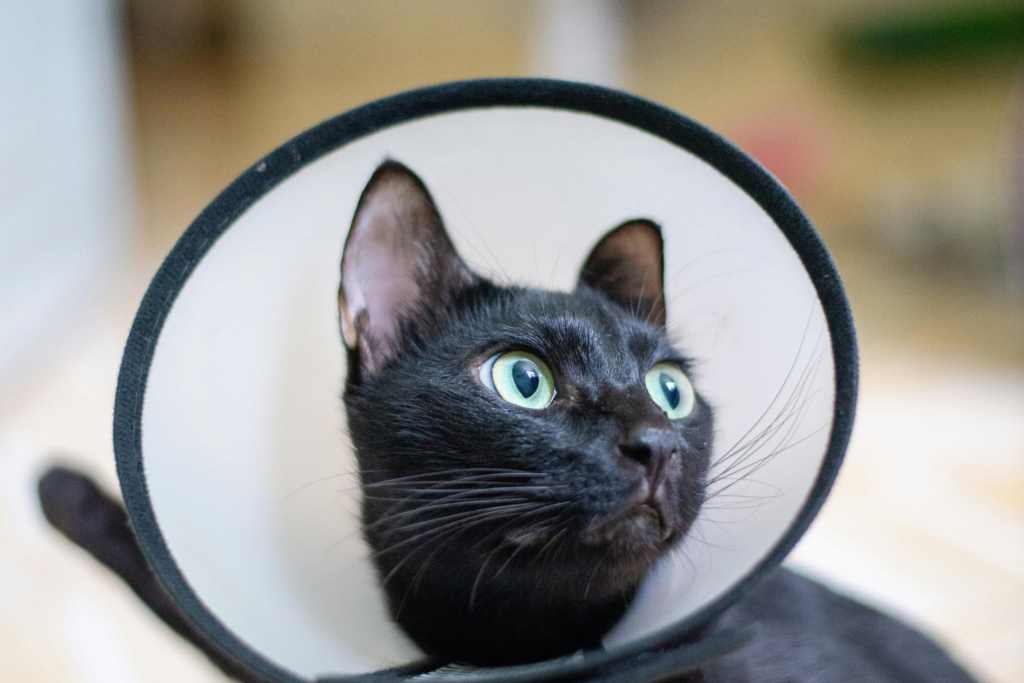
Short answer: yes, absolutely, and this applies no matter what breed your cat is, Indian street cat or otherwise. It’s one of the most responsible things you can do as a cat parent. Here’s the full breakdown of why, along with everything you actually need to know about the procedure itself.
Why You Should Spay or Neuter Your Cat
- A single litter can mean a lot more cats than you planned for. Cats commonly have 3 to 6 kittens in one litter. If your cat has even one litter, you could go from having one cat to having five or six almost overnight. That’s not just a financial cost, it’s a lot of extra care, time, and mental load you may not have planned for.
- It saves you from a never-ending cycle of cleaning. Female cats in heat and unneutered male cats both tend to spray or mark territory around the house, and this isn’t a one-time thing, it keeps happening again and again with every heat cycle. Getting your cat spayed or neutered early on saves you from months and years of ongoing, back-to-back cleaning that most owners don’t realise is coming until they’re already dealing with it.
- Cats don’t have an emotional need to have babies the way humans do. This is worth being clear about: humans can have complex emotional and cognitive reasons tied to wanting children. Cats don’t experience that. Giving human feelings to a cat’s biology, like the idea that a cat “wants” to be a mother, isn’t accurate. For a cat, going into heat is a hormonal cycle, not an emotional decision.
- Uncontrolled breeding can fall into legally grey territory. India doesn’t have a specific nationwide law that bans a pet cat from having a litter at home. But breeding animals, especially repeatedly and for sale, without proper licensing and care standards, is treated as backyard breeding, and this is something Indian animal welfare regulations are actively cracking down on, particularly when it’s done for profit. If you’re not planning to breed responsibly and professionally, it’s best to avoid it altogether.
- There are already so many cats and kittens that need homes. If you love the idea of having kittens around, there’s no shortage of them waiting at rescues and shelters. Adopting instead of breeding means you’re not adding to an already large number of cats without homes, and you’re skipping putting your own cat through labour and delivery, which isn’t something she’s seeking out in the first place.
- Unneutered cats are more likely to try and escape the house. The instinct to roam and find a mate is strong in cats that haven’t been spayed or neutered, which means a much higher chance of them slipping out the door and getting lost, hurt, or into fights.
- Neutered cats tend to be calmer and less territorial. Unneutered cats, especially males, are more likely to be aggressive or territorial. Getting them neutered generally makes them noticeably friendlier, which makes for a much easier, calmer household, especially if you have more than one cat.
- It lowers the risk of some serious health problems. Spaying a female cat, especially before her first heat cycle, significantly lowers her risk of mammary tumours and completely removes the risk of pyometra, a serious and sometimes life-threatening uterine infection. Neutering a male cat removes the risk of testicular cancer and lowers the risk of prostate issues later in life.
- It can mean a longer, safer life overall. Neutered and spayed cats tend to roam less and fight less, which lowers their chances of getting into accidents, picking up injuries, or contracting diseases like FIV, which commonly spreads through bite wounds during fights. Less roaming and fighting generally adds up to a longer, healthier life.
Neutering vs Spaying vs Sterilization: What’s the Actual Difference?
These words get used pretty loosely, so here’s what each one actually means:
- Spaying refers specifically to the surgery done on female cats. It involves removing the ovaries and uterus so she can no longer go into heat or get pregnant.
- Neutering (also called castration) refers specifically to the surgery done on male cats. It involves removing the testicles so he can no longer father kittens, and it also reduces spraying and territorial behaviour.
- Sterilization is the umbrella term that covers both. So technically, spaying and neutering are both types of sterilization, just for different sexes.
In everyday conversation, people often just say “neutering” for both, but if you’re ever filling out a form or talking to a vet, it helps to know which word applies to your cat.
What Does It Cost?
Costs vary quite a bit depending on where you go, so treat these as general ranges rather than fixed numbers.
At NGO or shelter-run, low-cost sterilization centres:
- Female cats (spaying): approximately ₹2,500 to ₹3,500
- Male cats (neutering): approximately ₹2,000 to ₹3,000
At private clinics or bigger hospitals:
- Generally anywhere from ₹7,000 to ₹20,000, depending on the city, the clinic, and the vet’s experience and reputation.
It’s always worth calling ahead and asking what’s included in the cost (like the e-collar, medication, and follow-up visits), since this can vary between clinics.
Getting Ready for the Surgery
Always check the specific instructions with your vet, since these can vary slightly, but the standard preparation generally includes:
- Fasting your cat for 8 to 10 hours before surgery, with no food or water.
- Having an e-collar ready for after the surgery.
- Keeping some old sheets or towels ready for your cat to rest on post-surgery.
- Bringing your cat in so the vet can carry out the procedure in a proper surgical setup.
Why does fasting matter so much?
This part is genuinely important, not just a formality. Cats are put under general anaesthesia for this surgery, and anaesthesia relaxes the muscles that normally keep food and stomach contents from coming back up. If your cat has food or water in her stomach, there’s a real risk of vomiting during the procedure and inhaling some of it into the lungs, which can cause a serious condition called aspiration pneumonia.
This is exactly why being honest with your vet matters. If your cat somehow ate or drank something during the fasting window, tell your vet before the surgery rather than staying quiet about it. A good vet will simply reschedule the surgery for a day when the fasting has actually been followed properly, and that’s a much safer outcome than going ahead with the risk.
Recovery and Post-Care
Once the surgery is done, the main thing to focus on is keeping the e-collar on for about 7 to 10 days. This stops your cat from licking or biting at the stitches, which is the most common cause of complications during recovery. Keep her in a calm, quiet space away from jumping or rough play during this period, and follow up with your vet if you notice any swelling, discharge, or signs of discomfort at the incision site. After that window, most cats are fully back to their normal selves.
Our Takeaway
Spaying or neutering your cat isn’t just about population control, it’s genuinely one of the best things you can do for her health, behaviour, and overall safety, and it saves you from a lot of unplanned kittens, cleaning, and stress down the line. The procedure is quick, well understood, and widely available at every price point, so there’s rarely a good reason to put it off.
Frequently Asked Questions
- At what age should I get my cat spayed or neutered? It’s best to get your cat checked by a vet first, since this can depend on her individual health and development, but most vets in India generally recommend anywhere between six months and one year of age, with some cats being ready as early as six months.
- Is spaying or neutering painful for my cat? Your cat is under general anaesthesia during the procedure itself, so she won’t feel pain during surgery. There’s some discomfort during recovery, which is normal and manageable with the care and any medication your vet provides.
- Will neutering change my cat’s personality? It generally makes cats calmer and less territorial or aggressive, but it doesn’t change their core personality or affection towards you.
- Can I get my cat sterilized for free or at low cost? Yes, many NGOs and shelters run low-cost or subsidised sterilization programs. It’s worth checking with local animal welfare organisations in your city.
- What happens if I skip the fasting instructions before surgery? It significantly raises the risk of your cat vomiting and inhaling it during anaesthesia, which can be dangerous. Always tell your vet if the fasting wasn’t followed properly so the surgery can be safely rescheduled.
- How long does the surgery itself take? Both procedures are generally quick, spaying usually takes a bit longer than neutering, but most cats are able to go home the same day or the following day, depending on your vet’s protocol.