
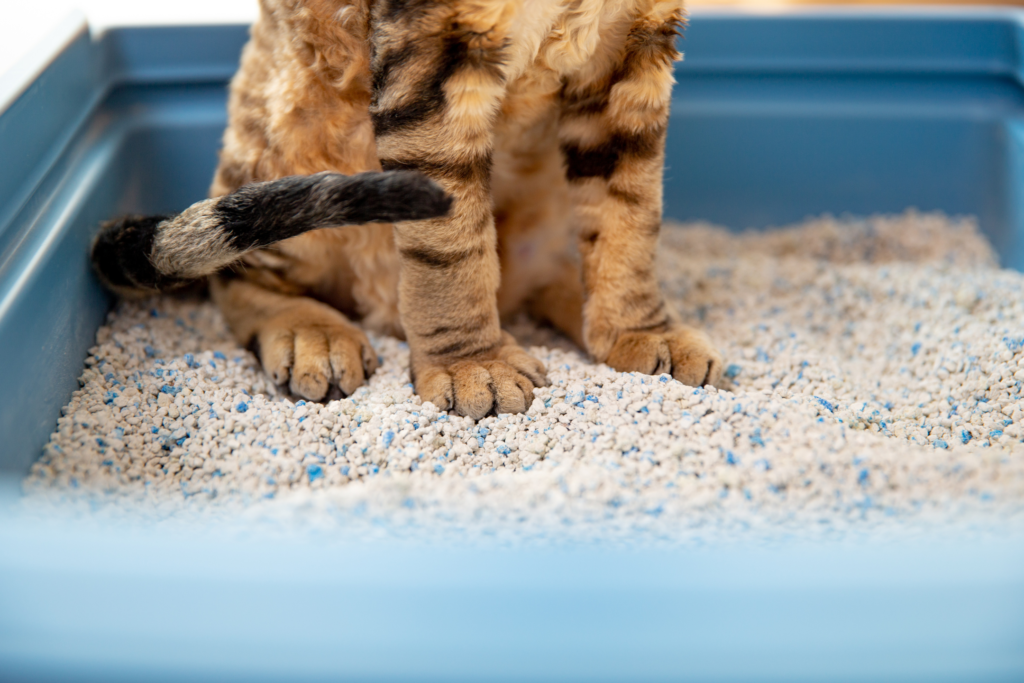
So you have finally done it. You saw one too many cat reels and brought home a tiny furball who now owns your house, your heart, and your Wi-Fi password.
Congratulations. You are now staff.
But before you get lost in whisker kisses and Instagram captions, there is one urgent topic nobody warns you about: the litter box. Yes, poop. We are going there.
Step 1: Choose the Right Litter Box
First things first, a litter box is not optional home décor, and no, a random plastic tub from the kitchen will not do, however tempting it is to “just try it for now.” Plastic trays degrade over time and absorb urine odours, so plan on replacing your cat’s box every 12 to 18 months regardless of cleaning frequency.
Box Type | Key Advantages | Disadvantages & Risks | Best For |
Open Tray | Budget-friendly, easiest to clean, simple health monitoring | Litter tracking, exposed odour | Kittens, first-time owners |
Covered / Hooded | Traps odour and scatter; offers privacy | Traps fumes inside; severe box rejection if uncleaned | Shy cats, tidier rooms |
Top-Entry | Prevents litter flinging; keeps dogs and toddlers out | Hard to access for kittens, senior, or arthritic cats | Agile cats, high-fliers |
Self-Cleaning | Automatic sifting, minimal manual scooping | Expensive, power-dependent, motor noise can scare nervous cats | Busy or multi-cat homes |
Size matters: The box must be at least 1.5 times your cat’s body length (excluding the tail). A cramped box is basically an invitation for your cat to aim outside it. Do note that automatic cleaning litter boxes are rare in India as on date.
Step 2: Location, Location, Location
Would you enjoy having lunch next to your bathroom? Neither does your cat. Pick a quiet, low-traffic corner: a balcony nook, a spot behind furniture, or an unused room corner.
Avoid placing the box:
- Right next to food and water bowls (cats are hygienic snobs).
- Near loud appliances like washing machines or mixer-grinders.
- In unventilated indoor corners during the monsoon, as high humidity creates a breeding ground for mould and bacteria in moist litter.
- In shifting spots, as cats demand environmental consistency. Pick one semi-permanent location and stick to it.
Placement Hacks for Small Apartments & Compact Homes:
If you live in a 1BHK or compact apartment, you do not need a spare room to make this work:
- The Balcony Nook: A covered tray in a dry, sheltered corner of a covered balcony keeps odours entirely outside your living space.
- Bathroom Corners: Place the tray in a dry corner of the bathroom (away from direct shower splash zones).
- Hidden Furniture Sets: Tuck the box inside multi-functional enclosure furniture, under a console table, or beneath an open shelf unit with a small curtain.
Step 3: The Litter Itself: Choose Wisely
Litter Type | Cleaning & Change Frequency | Odour & Moisture Control | Best Indian Climate |
Clumping Clay (Bentonite) | Scoop: Daily Full Change: Every 2–3 weeks | Excellent moisture clumping | Dry / Air-conditioned spaces |
Silica Gel Crystals | Scoop: Daily (stir crystals daily) Full Change: Every 3–4 weeks | Exceptional absorption | High Humidity / Monsoon |
Tofu / Plant-Based | Scoop: Daily Full Change: Every 1–2 weeks | Good odour control & flushable | Year-round |
Wood / Pine Pellets | Scoop: Daily (sift sawdust) Full Change: Every 1–2 weeks | Moderate natural wood scent | Year-round |
How to Handle Odour with Unscented Litter
Go unscented, as fragrances like “fresh linen” or lavender cause feline respiratory irritation or box rejection. To keep unscented litter completely odourless:
- Mix in Baking Soda: Sprinkle a thin layer of plain baking soda at the very bottom of the dry tray before pouring fresh litter.
- Scoop Daily Without Fail: 90% of smell issues vanish simply by removing urine clumps and solid waste twice a day.
- Use Carbon Filters: If using a covered or hooded box, replace the top activated carbon filter pad every 30 days.
- Air-Moisture Control: Keep a small tub of activated charcoal or a compact air purifier near the tray in humid weather.
Step 4: Introduce Your Cat Like You’re Showing a New Flat
Bring your cat to the box gently after prime bathroom windows: right after meals, naps, or intense play sessions. Let them sniff around and paw at the litter naturally.
Do not force their paws into the litter to demonstrate how to dig. Cats hate being manhandled, and most instinctively understand what the box is for. Your job is simply to make it clean, accessible, and quiet.
Step 5: The Cleanliness Non-Negotiable
Cats are far cleaner than most humans. A dirty litter box is the primary reason cats select your favourite rug as an alternative bathroom.
- Scoop daily: Remove solid waste and clumps every single day without exception.
- Deep clean monthly: Wash the tray using warm water and mild, unscented dish soap. Avoid harsh chemical disinfectants or strong pine cleaners, as lingering residue will drive your cat away.
- Use a litter mat: Place a double-layer honeycomb mat under the entrance to capture stray particles off their paws before they track across your floors.
Step 6: How Many Litter Boxes Do You Need?
The golden rule for feline comfort is N+1 boxes (where N is the number of cats):
- 1 Cat: 2 Boxes (Ideal)
- 2 Cats: 3 Boxes (Ideal)
Living in a space-constrained apartment?
While N+1 is the gold standard to prevent territorial issues, 1 litter box is completely fine for a single-cat household if you lack space. Just ensure you scoop it twice daily to make up for the single shared tray!
Step 7: Troubleshooting Out-of-Box Accidents
If your cat suddenly avoids the box, never scold or punish them. Punishment creates anxiety, which compounds the underlying problem. Instead, systematically check for these three triggers:
- Hygiene & Setup: Is the tray dirty, under-scooped, or placed in a noisy area?
- Litter Changes: Did you recently switch litter brands, textures, or scents too quickly?
- Medical Issues: Sudden elimination outside the box is frequently the first warning sign of a Urinary Tract Infection (UTI), feline lower urinary tract disease (FLUTD), or painful bladder stones. If environmental fixes fail after 24–48 hours, consult a veterinarian immediately.
The Real Win
In no time at all, using the litter box will become second nature to your cat. You, on the other hand, will officially enter a new chapter of life: one filled with unexpected pride over a clean tray, endless photo albums on your phone, and a companion who makes every bit of effort worth it. Welcome to the family, cat parent.