
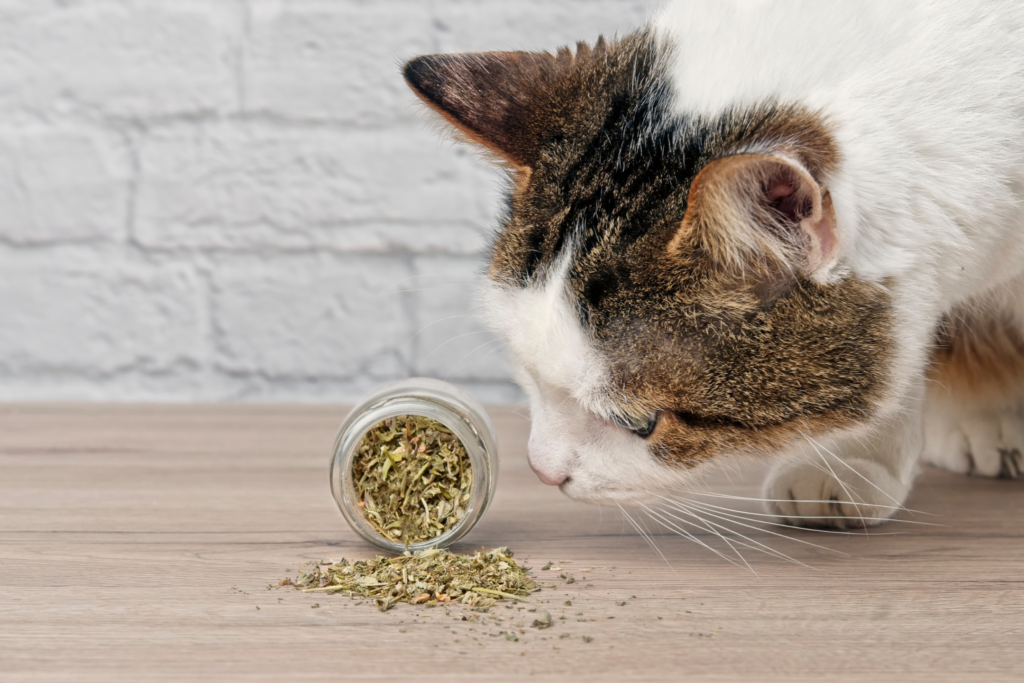
If you’ve ever tossed a catnip toy across the room and watched your cat completely lose it, rolling, doing full-on zoomies, you’ve probably wondered what’s actually going on. Is it safe? Is it some kind of drug? Why does your neighbour’s cat couldn’t care less about it while yours turns into a furry tornado?
What Exactly Is Catnip?
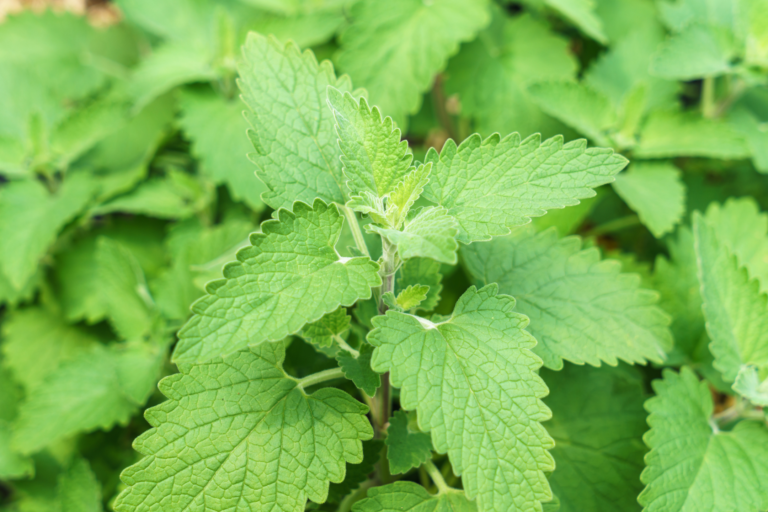
Catnip, or Nepeta cataria if you want the fancy name, is actually just a plant from the mint family. Yes, the same family as the mint you’d put in your dips. It grows a lot like any other garden herb, with soft green leaves and small purple flowers, and it’s been around in gardens across Europe and Asia for centuries before it made its way to cat bowls everywhere else.
What makes it special isn’t how it looks, it’s what’s inside the leaves. Catnip produces a natural oil called nepetalactone, and this one compound is basically responsible for every ridiculous, adorable thing your cat does when it gets a whiff of it.
So How Does the Dried Catnip You Buy Actually Get Made?
This part is simpler than you’d think. It’s not some heavily processed product, it’s really just a plant that’s been dried and broken up.
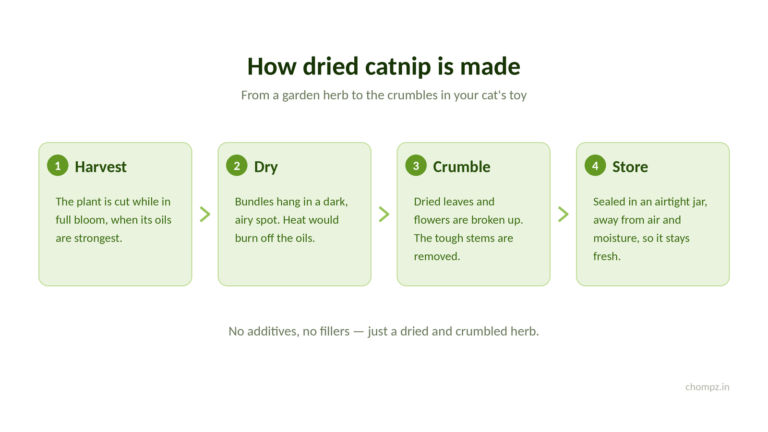
Step 1: Harvesting. The plant is cut once it’s flowering, since that’s when the oils inside are at their strongest. Growers usually leave a few inches of the plant behind so it can grow back for another harvest later in the season.
Step 2: Drying. The cut stems are bundled up and hung somewhere dark, dry, and well-ventilated, away from direct heat or sunlight. This part matters a lot, because too much heat can burn off the very oils that make catnip work in the first place. Done right, this can take anywhere from a few days to a few weeks.
Step 3: Cutting and crumbling. Once the leaves are dry enough to crumble between your fingers, they’re separated from the tougher stems, which cats generally aren’t interested in anyway. The leaves and flowers get broken down into that familiar loose, crumbly texture you’d sprinkle on a scratching post or stuff into a toy.
Step 4: Storing. Dried catnip is kept in an airtight container to protect it from air and moisture, both of which cause it to lose its potency over time.
That’s really it. No additives, no fillers, just a dried and crumbled herb, closer to how you’d dry any kitchen herb than anything complicated.
Why Does It Make Cats Go a Little Wild?
Here’s the short version: when your cat sniffs catnip, that nepetalactone oil hits receptors inside their nose, and this sends a signal straight to the pleasure centres of their brain. It’s the same general reward pathway that lights up when something feels good, which is why cats react like they’ve hit the jackpot.
Some cats roll around and get affectionate. Others get hyper and start bouncing off furniture. Both are completely normal, it just depends on the cat.
The fun bit is that catnip probably wasn’t ever “meant” for cats in the first place. The plant likely developed this oil as a way to protect itself from insects, and cats just happen to be wired to find that same chemical irresistible. A happy accident, basically.
Why Doesn't Every Cat React to It?
If your cat sniffs catnip and just walks away unimpressed, nothing is wrong with them. Whether a cat responds to catnip comes down to genetics, and somewhere around 60 to 70% of cats have it, meaning roughly a third of cats simply never react, no matter how fresh or potent the catnip is.
Kittens are a separate story altogether. They typically don’t respond to catnip at all until they’re around six months old, so if your kitten ignores it completely, just give it time.
And even for cats who do respond, the high doesn’t last. Expect around 10 to 15 minutes of excitement, followed by a break where your cat becomes temporarily “immune” to it for half an hour or so, before they’re ready to enjoy it all over again.
How Much Catnip Is Actually Safe to Give?
This is the question we get asked the most, and the reassuring answer is: cats can’t overdose on catnip. There’s no toxic threshold to worry about.
That said, “safe” doesn’t mean “unlimited.” If a cat eats a large amount of catnip, rather than just sniffing it, it can occasionally lead to an upset tummy, some vomiting, or loose stools. It’s uncomfortable rather than dangerous, and it usually settles on its own within a few hours.
A simple rule of thumb: around one to two teaspoons in a day is plenty for most cats. Giving it occasionally, rather than daily since cats can become a little desensitised to it with constant exposure.
If your cat ever seems unusually unsteady, keeps vomiting, or doesn’t bounce back within a few hours, that’s your cue to check in with a vet, just to be safe.
A Few Ways to Use It
Catnip is pretty flexible.
You can feed them directly but putting it in bowl or you can sprinkle one spoon directly onto a scratching post or bed or stuff it into a toy (checkout this diy catnip sock toy). If your cat tends to get an upset stomach from the dried leaves themselves, a spray on their toys is usually the gentler option.
It’s not food, but it’s an easy, natural way to bring joy into their day.
Our Takeaway
Catnip really is as simple as it looks: a dried herb, nothing more mysterious than that, that happens to hit a very specific reward switch in a cat’s brain. It’s safe, it’s natural, and for the cats who respond to it, it’s basically pure joy in a pinch. Just keep portions sensible, don’t be surprised if your cat isn’t into it, and enjoy the show when they are.
Frequently Asked Questions
1. Is catnip actually safe for cats?
Yes. Catnip is non-toxic and considered safe by vets. Cats cannot overdose on it, though eating large amounts at once can occasionally cause a mild upset stomach.
2. How much catnip should I give my cat?
Around one to two teaspoons a day is enough for most cats. There’s no strict measurement, just avoid giving large amounts repeatedly in one sitting.
3. Can I give my cat catnip every day?
You can, but it’s better used occasionally rather than daily. Cats can become temporarily desensitised to it with constant exposure, so spacing it out keeps it more effective and exciting for them.
4. Why doesn’t my cat react to catnip at all?
Sensitivity to catnip is genetic, and roughly a third of cats simply don’t respond to it, no matter how fresh it is. It’s completely normal, and doesn’t mean anything is wrong with your cat.
5. Why doesn’t my kitten react to catnip?
Kittens typically don’t respond to catnip until they’re around six months old, closer to sexual maturity. If your kitten shows no interest, just try again once they’re a bit older.
6. What’s the difference between fresh and dried catnip?
Fresh catnip is generally more potent, so you’ll need less of it to get the same reaction. Dried catnip is milder and more convenient, since it stores well and can be sprinkled or stuffed into toys easily.
7. My cat ate a whole bunch of catnip. Should I be worried?
Probably not, but keep an eye on them. Mild vomiting, loose stools, or wobbliness can happen if they’ve eaten a large amount, but this usually passes on its own within a few hours. If symptoms persist or seem severe, check in with your vet.
8. Does catnip work on all cats the same way?
No. Some cats become affectionate and mellow, others turn hyper and playful. Both reactions are completely normal, it’s just down to the individual cat.