
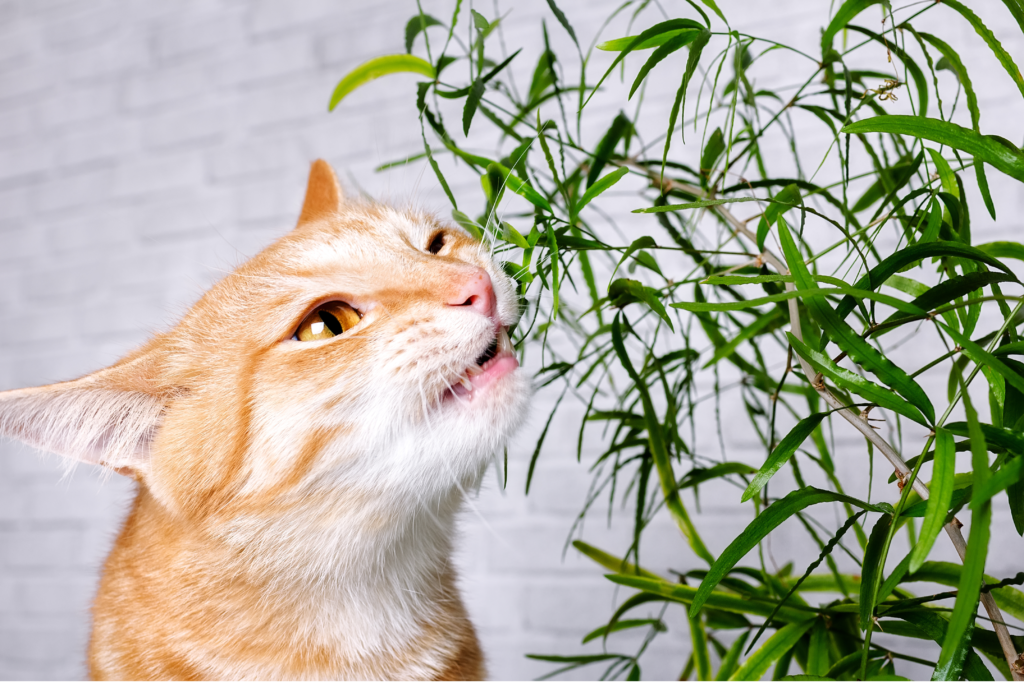
As cat parents, we love making our homes feel cozy and lively. For many of us, that means bringing in a touch of nature with beautiful houseplants. But if you have a curious feline who loves to nibble on anything green, your indoor jungle could be a hidden minefield.
Cats are notorious for chewing on leaves, sometimes out of boredom, sometimes to help their digestion, and sometimes just because a dangling leaf looks like a fun toy.
Unfortunately, many popular plants found in Indian homes and gardens can range from irritating to downright fatal for our feline friends. To help you keep your kitty safe, here is a list of 20 very common plants in India that you should keep far away from your cat, followed by what to do in an emergency and some safe alternatives.
20 Common Plants in Indian Households That Are Toxic to Cats
The Most Dangerous (High Toxicity)
These plants can cause severe organ failure or death, even in tiny amounts.
1. Lilies (True Lilies like Peace Lily, Asiatic, Easter, and Stargazer Lilies)
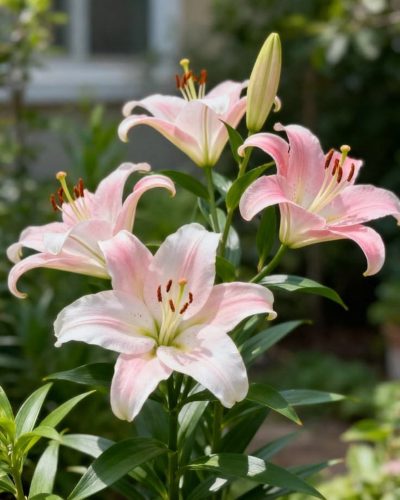
- Commonly found: In bouquets and indoor potting.
- The Danger: True lilies are incredibly lethal to cats. Even biting a single petal, licking the pollen, or drinking water from the vase can cause irreversible kidney failure within days. Note that peace lilies cause severe mouth irritation, while Asiatic/Easter lilies cause kidney failure.
- Cat-Safe Alternative: Phalaenopsis Orchids or Moth Orchids
2. Sago Palm
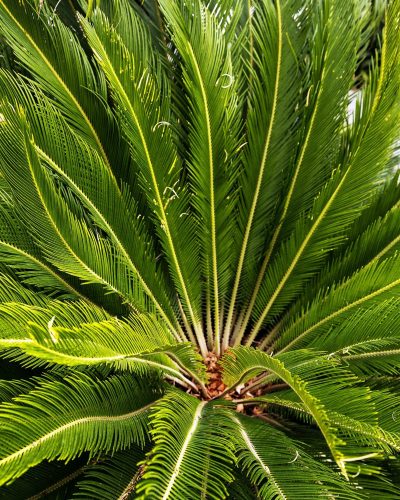
- Commonly found: In gardens, balconies, and large indoor pots.
- The Danger: Every part of this plant is highly toxic, especially the seeds. Ingesting it causes severe liver failure, vomiting, and can be fatal.
- Cat-Safe Alternative: Areca Palm or Parlour Palm
3. Adenium (Desert Rose)
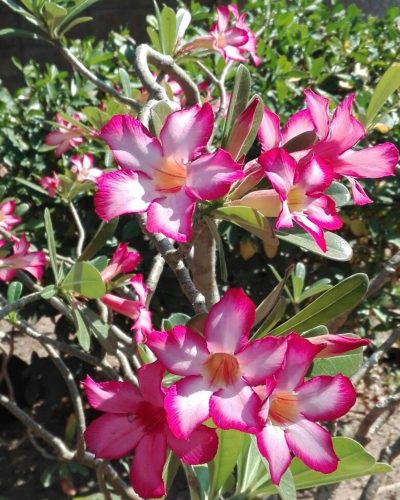
- Commonly found: Sunny balconies and terraces.
- The Danger: This beautiful succulent contains toxins that affect the heart, causing drooling, vomiting, diarrhea, and a dangerously low heart rate.
- Cat-Safe Alternative: Christmas Cactus (Schlumbergera)
4. Oleander (Kaner)
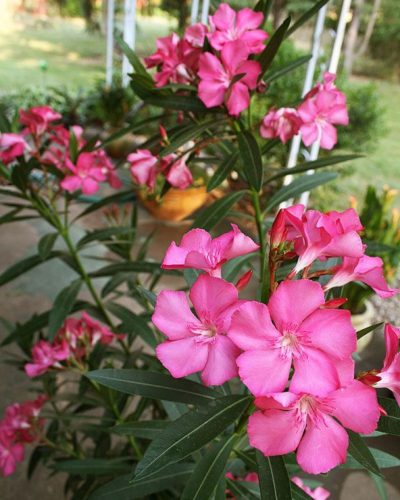
- Commonly found: Outdoor gardens and roadside hedges, sometimes potted on terraces.
- The Danger: Oleander contains cardiac glycosides. Eating even a small amount can cause severe heart issues, tremors, and death.
- Cat-Safe Alternative: Ixora (Rukmini / West Indian Jasmine)
5. Castor Bean Plant (Arandi)
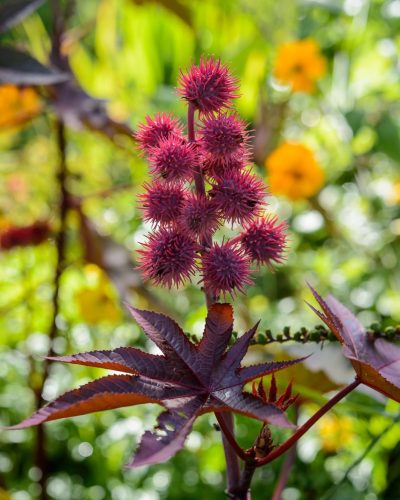
- Commonly found: Growing wild or in rural/semi-urban gardens.
- The Danger: The seeds contain ricin, one of the most potent toxins known. It causes severe burning of the mouth, convulsions, and organ failure.
- Cat-Safe Alternative: Lemongrass
6. Dieffenbachia (Dumb Cane)
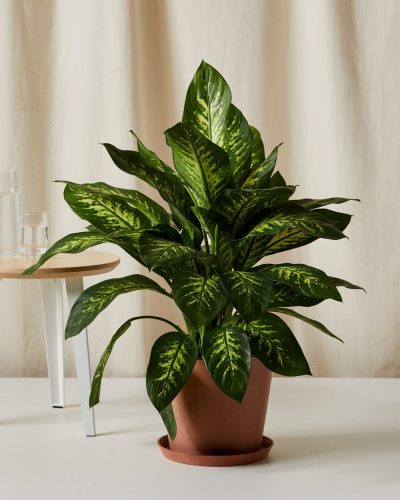
- Commonly found: Living rooms and shaded balconies.
- The Danger: It contains microscopic calcium oxalate crystals. When a cat bites it, the crystals shoot into the tongue and throat, causing intense burning, swelling, and difficulty breathing.
- Cat-Safe Alternative: Calathea (Prayer Plant or Zebra Plant)
Highly Common Houseplants (Moderate to High Toxicity)
These are staples in Indian homes that cause severe digestive issues, lethargy, or neurological symptoms.
7. Aloe Vera
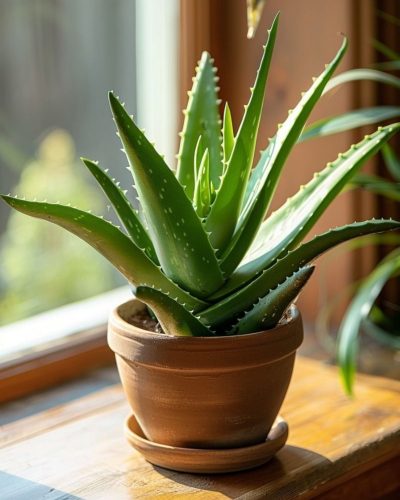
- Commonly found: Almost every Indian kitchen windowsill or balcony.
- The Danger: While great for human skin, it contains saponins that cause vomiting, diarrhea, tremors, and lethargy in cats.
- Cat-Safe Alternative: Haworthia (Zebra Cactus)
8. Snake Plant (Sansevieria)
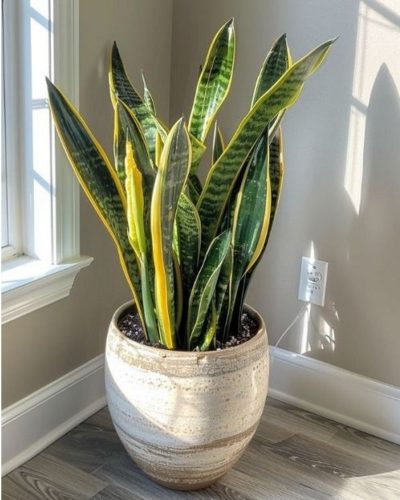
- Commonly found: Indoor air-purifying setups.
- The Danger: Like aloe, it contains saponins. Ingestion leads to nausea, vomiting, and drooling.
- Cat-Safe Alternative: Cast Iron Plant (Aspidistra elatior)
9. ZZ Plant (Zamioculcas Zamiifolia)
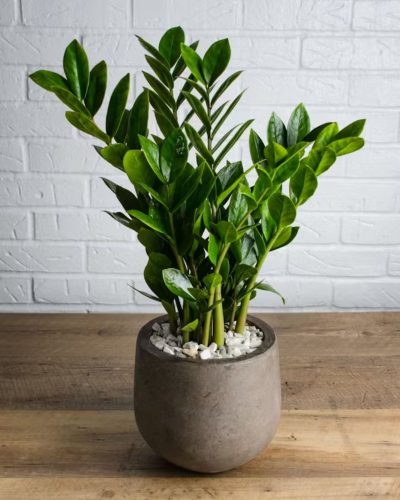
- Commonly found: Low-light indoor corners.
- The Danger: Contains calcium oxalate crystals. It causes irritating pain in the mouth, swelling, and stomach upset.
- Cat-Safe Alternative: Chinese Money Plant (Pilea Peperomioides)
10. Pothos (Money Plant)
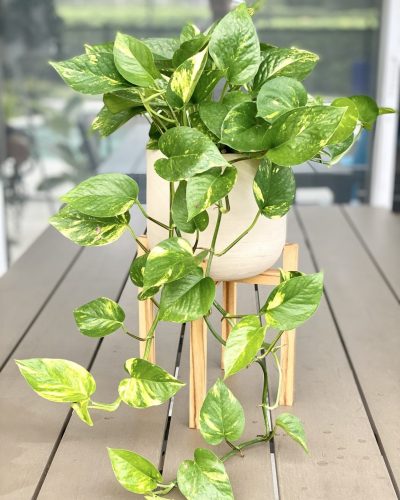
- Commonly found: Hanging baskets and water jars across India.
- The Danger: Also packed with calcium oxalate crystals. It causes intense oral irritation, excessive drooling, and difficulty swallowing.
- Cat-Safe Alternative: Spider Plant (Chlorophytum comosum)
11. Monstera Deliciosa (Swiss Cheese Plant)
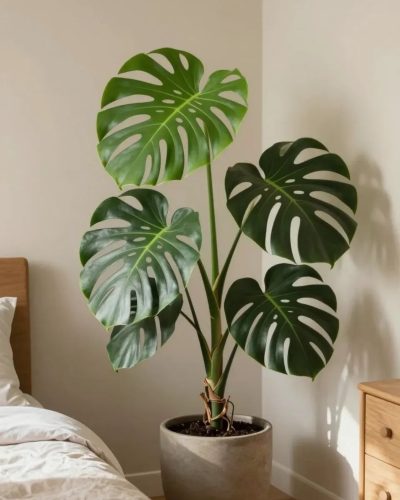
- Commonly found: Trendy living room decor.
- The Danger: Another oxalate crystal culprit. It causes severe mouth pain and swelling.
- Cat-Safe Alternative: Banana Plant (Dwarf Variety)
12. English Ivy
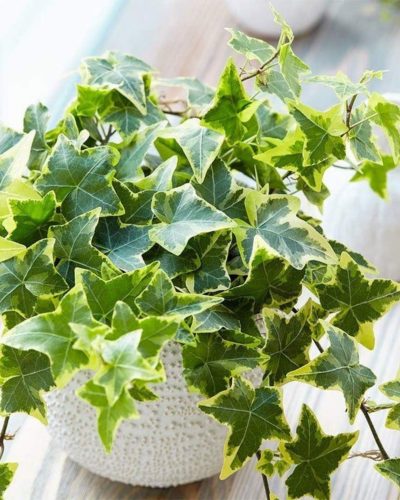
- Commonly found: Trailing down balconies or shelves.
- The Danger: The foliage is more toxic than the berries. It causes vomiting, abdominal pain, hypersalivation, and diarrhea.
- Cat-Safe Alternative: Swedish Ivy (Plectranthus verticillatus)
Festive & Garden Favourite Houseplants (Moderate Toxicity)
These plants are often bought for festivals, landscaping, or fragrance.
13. Chrysanthemum (Shevanti / Guldaudi)
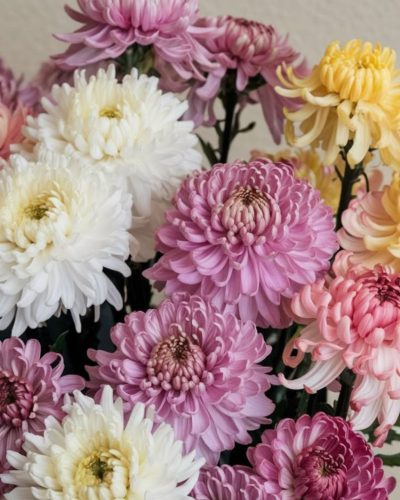
- Commonly found: Autumn/winter gardens and festival decorations.
- The Danger: Contains pyrethrins. Ingestion causes vomiting, diarrhea, drooling, and a loss of coordination.
- Cat-Safe Alternative: Gerbera Daisies
14. Marigold (Genda)
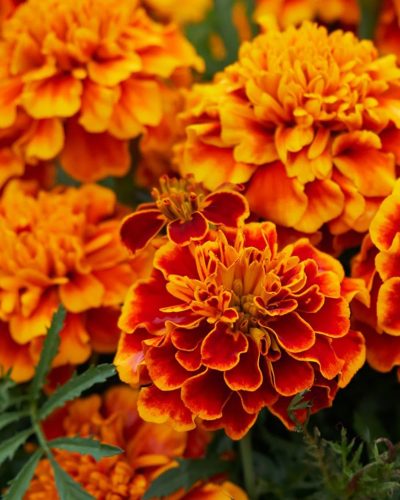
- Commonly found: Everywhere during Diwali, weddings, and pujas.
- The Danger: Mildly toxic compared to lilies, but eating the flowers or leaves causes mouth irritation, drooling, and mild tummy troubles.
- Cat-Safe Alternative: Petunias
15. Hibiscus (Gudhal)
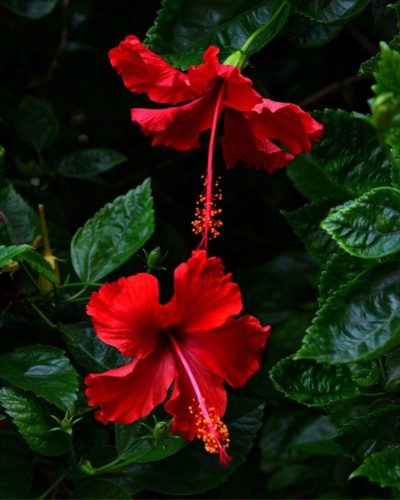
- Commonly found: Standard garden shrub.
- The Danger: While some varieties are safer than others, many can cause severe gastrointestinal upset, vomiting, and loss of appetite.
- Cat-Safe Alternative: Camellia
16. Jade Plant (Elephant Bush / Money Tree)
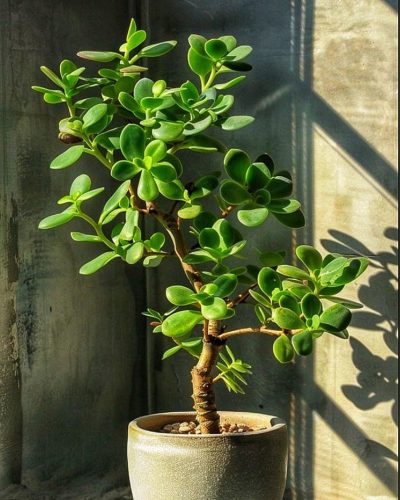
- Commonly found: Small balcony pots for good luck.
- The Danger: The exact toxin is unknown, but ingestion causes vomiting, depression, and poor coordination.
- Cat-Safe Alternative: Peperomia Hope or Peperomia Obtusifolia (Baby Rubber Plant)
17. Tulsi (Holy Basil)
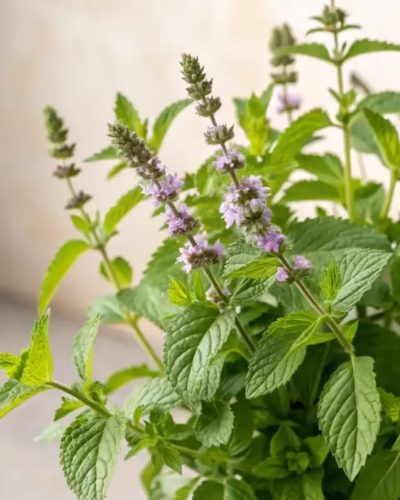
- Commonly found: The heart of the Indian household courtyard.
- The Danger: While small nibbles usually just cause a mild upset stomach, consuming large amounts of Tulsi or its concentrated oils can cause mild toxicity and lethargy. It is best to keep it out of reach.
- Cat-Safe Alternative: Regular Basil (Sabja/Sweet Basil) or Mint (Pudina)
18. Eucalyptus (Nilgiri)
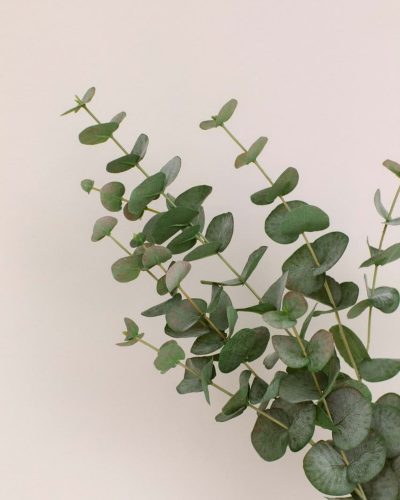
- Commonly found: Used in home decor bouquets or grown as trees.
- The Danger: The essential oils cause salivation, vomiting, diarrhea, and severe lethargy.
- Cat-Safe Alternative: Rosemary
19. Elephant Ear (Colocasia / Arbi)
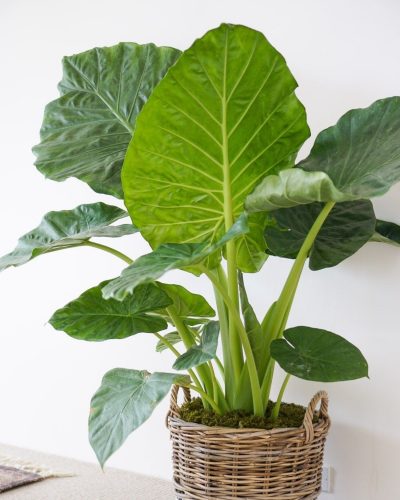
- Commonly found: Kitchen gardens or ornamental pots.
- The Danger: Filled with calcium oxalate crystals, causing burning of the mouth, swelling, and vomiting.
- Cat-Safe Alternative: Boston Fern
20. Cyclamen
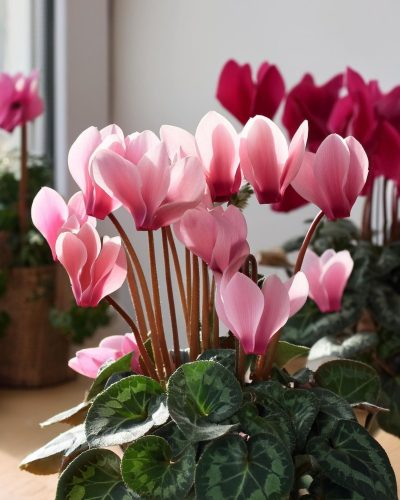
- Commonly found: Seasonal indoor flowering plant.
- The Danger: The roots are especially toxic. Ingestion causes severe vomiting, diarrhea, and in large amounts, heart rhythm abnormalities.
- Cat-Safe Alternative: African Violets
What to Do If Your Cat Ingests a Toxic Plant
If you catch your cat chewing on a toxic plant, or if you notice plant debris near a vomiting cat, act fast. Do not wait for symptoms to worsen. Seek help from a veterinarian.
- Remove the Cat and the Plant: Safely take the plant away from your cat and clean any remaining leaves or pollen from their fur and paws so they do not groom themselves and swallow more.
- Identify the Plant: Take a photo of the plant or take a small sample of it with you to the vet. Knowing exactly what plant it is helps the vet choose the right treatment.
- Do Not Induce Vomiting At Home: Unlike dogs, it is very difficult and dangerous to induce vomiting in cats at home using remedies like hydrogen peroxide. This can cause severe damage to their stomach lining.
- Call or Visit Your Vet Immediately: Get to the nearest veterinary clinic. Mention how long ago you think it happened and how much they ate.
Beautiful Plants That Are Completely Safe for Cats
You do not have to give up your green thumb just because you have a cat. There are plenty of beautiful, lush plants that are 100 percent pet-friendly. Here are a few you can easily find in India:
- Spider Plant: Extremely easy to grow, budget-friendly, and completely safe. Cats love the dangling leaves, which look like little spiders.
- Areca Palm: A gorgeous, large indoor palm that adds a tropical vibe without any of the danger of the Sago Palm.
- Boston Fern: A lush, safe green hanging plant that thrives in humid Indian weather.
- Calathea (Prayer Plant): Known for their stunning, patterned leaves, these are completely non-toxic to pets.
- Phalaenopsis Orchids: A safe choice if you want vibrant, elegant flowers in your home.
Your Quick Checklist for a Cat-Safe Home
Before you bring a new green friend home, run through this quick checklist:
- Have I checked the plant’s scientific name against a trusted database?
- Can this plant be hung high up where my cat absolutely cannot reach it?
- Is there a chance pollen from this flower could drop onto surfaces my cat walks on?
- Do I have my emergency vet’s number saved on speed dial?
Resources: Comprehensive Plant Databases for Pet Parents
If you are ever unsure about a plant, it is always best to double-check. For an exhaustive, searchable database of every toxic and non-toxic plant out there, bookmark these highly trusted resources:
- ASPCA Animal Poison Control (USA / Global Gold Standard)
Cat Plant List: ASPCA Cats
Why it’s great: This is the most comprehensive, searchable database by both common and scientific names, complete with photos and symptom descriptions.
Pet Poison Helpline (Global Educational Resource)
Poison List: Pet Poison Helpline Toxin List
Why it’s great: An internationally recognized animal poison control service that maintains a thorough, easy-to-navigate database of plants, household hazards, and medications.
The UC Davis Veterinary Medicine Plant List
Resource: UC Davis Toxic Plants
Why it’s great: Curated by one of the world’s leading veterinary schools, this list categorizes plants by toxicity levels (from safe to severe) and specific symptoms.
Veterinary Poisons Information Service (VPIS – Global/UK)
Resource: VPIS Pet-Safe Plants Guide
Why it’s great: VPIS provides a brilliant, downloadable master list of entirely pet-safe indoor and outdoor plants. It’s the great shopping list for a cat-friendly home.