
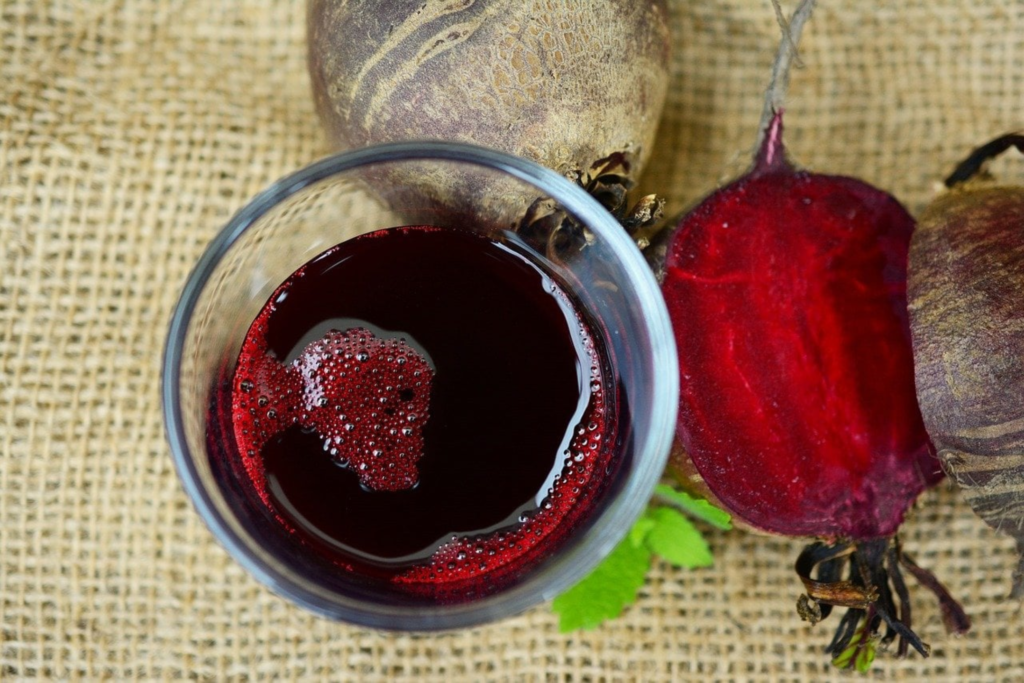
You might have squinted at your cat food label and noticed “beet pulp” listed under ingredients and thought:
“Wait, why is that in there? Is it a filler or something bad?”
Let’s clear that up once and for all. Beet pulp isn’t the villain some people make it out to be. It’s actually a kind of dietary fiber that, when used the right way, can support gut health, stool quality, and more. Here’s the full scoop.
What is Beet Pulp ?
Beet pulp often gets a bad reputation, with some calling it a “cheap filler” that offers little or no nutritional value, but that couldn’t be further from the truth.
Beet pulp is actually a byproduct of the sugar beet industry. It is made by removing the sugary portion of the beet and keeping the fibrous part, which is then dried and used as a natural source of dietary fiber. Fiber is incredibly important for digestive health in pets.
Sugar beets are grown mainly in temperate regions for sugar production, and the leftover pulp finds new purpose in animal nutrition. In fact, beet pulp has been a staple in the equine industry for years, where it helps provide the essential fiber horses need.
In pet food, it is used in much smaller amounts, typically only 1% to 6%, just enough to support healthy digestion without overloading the diet.
Why Do Pet Food Makers Use Beet Pulp ?
Here’s why beet pulp makes an appearance in many cat food recipes:
1. Moderately Fermentable Fiber
Beet pulp ferments in your cat’s gut to produce short-chain fatty acids (SCFAs). These help nourish the cells lining the colon and promote digestive health.
2. Improves Stool Consistency
It absorbs water, which helps make stools firm and easy to pass.
3. Supports Digestive Health
The fiber gently stimulates the intestines, keeping everything moving smoothly without irritating the gut.
4. Balanced Fiber Source
Beet pulp sits perfectly between highly fermentable fibers (like pectin) and non-fermentable ones (like cellulose). It’s just the right balance for healthy digestion.
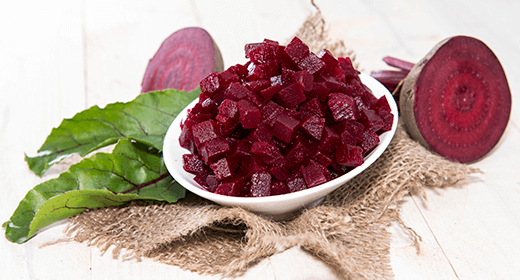
The Good and the Bad of Beet Pulps
| Pros | Cons |
| Beet pulp provides moderately fermentable fiber that produces short-chain fatty acids, nourishing colon cells and promoting gut health. | Excess fiber can reduce nutrient absorption and make stools bulky, so balance is important. |
| It absorbs water and helps create firm, well-formed stools that are easy to pass | High levels of beet pulp can crowd out other essential nutrients if not carefully formulated. |
| Beet Pulp sits between highly fermentable fibers (like pectin) and non-fermentable ones (like cellulose), making it gentle yet effective. | Beet pulp offers fiber, not protein or vitamins, so it must be combined with other nutrient-dense ingredients |
| Beet Pulp doesn’t cause coat color changes or sensitivities in most cats. | As a fermentable fiber, beet pulp can produce mild gas or bloating in cats with very sensitive digestive systems. |
Beat Pulp benefits by Dr Lisa Restine
https://www.youtube.com/shorts/3ImJ6SxxAd4
Common Myths About Beet Pulp
Myth 1: Beet pulp equals sugar
False. Almost all the sugar is removed during processing, leaving mostly fiber.
Myth 2: It stains the cat’s coat
Nope. The beet pulp used in pet food is pale, not red, and has no pigment that would affect coat color.
Myth 3: It’s a cheap filler
Not true. Beet pulp provides functional fiber that supports digestion, stool health, and gut bacteria balance.
Our Takeaway
Beet pulp may sound like an odd ingredient in cat food, but it’s far from a useless filler. When used in moderation, it serves as a functional fiber that helps maintain healthy digestion, improves stool quality, and supports overall gut health.
The key is finding the right balance. Too much fiber can upset your cat’s stomach or affect how they absorb nutrients, but the small, carefully measured amounts used in quality cat foods actually help keep their tummy comfortable and their digestion running smoothly.
Coming up next in our Inside the Bowl series: Hydrolyzed vegetable protein. What is it, and is it something your cat should eat ?