
You’ve probably seen those shiny cat food packages that say “Made with Human Grade Meat!” and thought,
“Wait… does that mean I could eat my cat’s dinner too?” ?
Well, technically, maybe yes, but hold that fork!
Let’s chat about what “human grade” actually means, how it’s different from regular pet food meat, and whether it’s truly worth the hype or just a marketing trick.
What is ‘Human-Grade Meat’ ?
The short answer: it’s not about taste, it’s about standards.
According to AAFCO (Association of American Feed Control Officials), if a company claims its food is human-grade, then:
- Every ingredient must be edible by people.
- The food must be processed, handled, and stored under the same rules as human food , think USDA-inspected kitchens, not feed mills.
- The claim has to apply to the entire product, not just one ingredient.
So if you see “made with human-grade chicken,” that’s not the same as “human-grade cat food.” The whole product must meet those standards to truly earn the label.
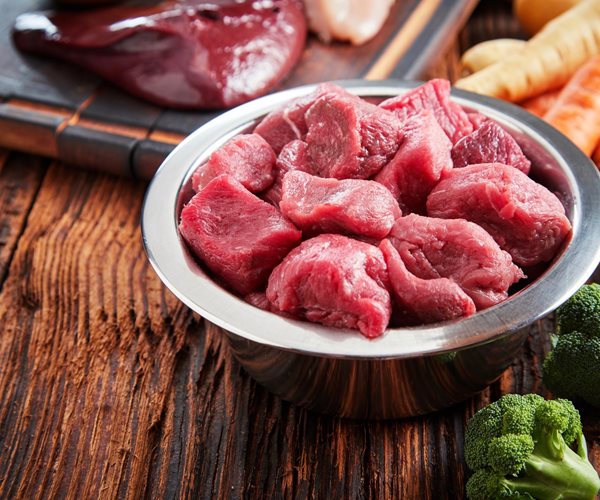
So What’s the Difference from Regular Meat ?
| Type | What it Means ? | Example |
| Human-Grade Meat | Comes from animals and cuts approved for human consumption, handled in a human-food facility. | Chicken breast, beef, salmon that could legally be sold at a grocery store. |
| Feed-Grade Meat | Used only for pet food, may include parts not fit for people (like organs or trimmings). | “Chicken by-product meal” or generic “meat meal.” |
Why Do Pet Food Brands Use ‘Human-Grade’ ?
You guessed it, it sounds good. But it’s not just marketing fluff (at least, not always).
Here’s why it matters:
- Safety & Hygiene: Human-grade meat is processed in cleaner facilities under stricter inspection.
- Transparency: You know exactly where the meat came from — no vague “animal derivatives.”
- Quality Nutrition: Because the cuts are fresher and less processed, they often retain more nutrients and better amino acid balance.
- Flavor (aka Cat Happiness): Human-grade meat tends to taste and smell better to cats — so even picky eaters may love it.
Is Human-Grade Cat Food Better ?
The quality of cat foods labeled as human grade can vary widely. Some may use mostly lower-quality ingredients with just one part sourced from a human food facility, while truly human-grade foods use only ingredients fit for human consumption and follow strict human food safety standards. Simply seeing “human grade” on the label isn’t enough , it’s important to look closer at how the food is made and where the ingredients come from.
How to Tell If It’s Truly Human-Grade ?
Here’s how you can sniff out the truth like your cat sniffs out treats:
Here’s how you can sniff out the truth like your cat sniffs out treats:
- Check the Label Wording: If it says “human-grade cat food,” that’s good. But If it says “made with human-grade ingredients,” that’s a loophole.
- Look for Certifications: Brands that use USDA or FDA-approved kitchens will proudly say so.
- Watch for Transparency: Whether they list where the meat is sourced and how it’s handled? If yes, then that’s a win.
- Ask Questions: Good brands will tell you about their facilities, sourcing, and testing.
Our Takeaway
Whether human-grade food is “worth it” really comes down to your cat and what matters to you. If you care about super clean ingredients, premium quality, and knowing exactly what’s in the bowl, then human-grade can be a great option, especially for sensitive kitties.
But if your cat is already thriving on a good-quality regular food, you’re not missing out on anything. “Human-grade” isn’t automatically better, and what really counts is balanced nutrition, honest brands, and how your cat actually feels on the food.
If your kitty eats happily, has a shiny coat, and does midnight zoomies, you’re doing great, human-grade or not.
Up next in our Inside the Bowl series, we’re breaking down what Beet pulp really does and if it’s right for your cat.