
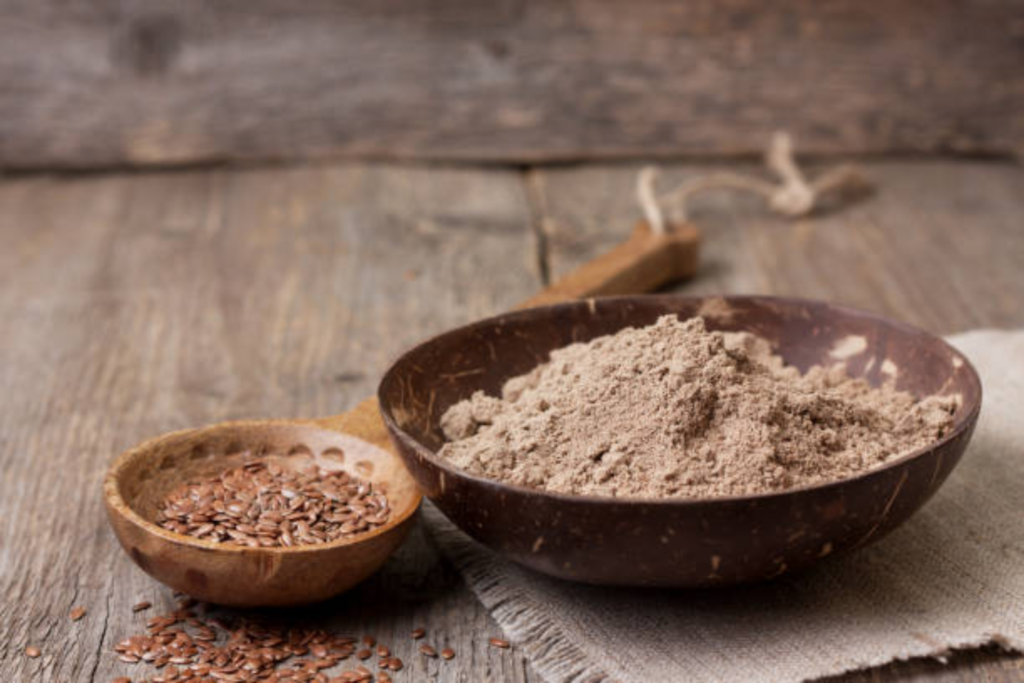
You open your cat’s food bag or read a label and notice “flaxseed powder” listed. You might think, “Flaxseed? That’s for human smoothies, right? What’s it doing in my cat’s bowl?”
Flaxseed powder has slowly made its way into pet nutrition. Many cat lovers hope as it brings benefits like better digestion, a shinier coat, or anti-inflammatory support. But is it really safe and beneficial for cats? Let’s pull back the curtain and look inside the bowl.
What Is Flaxseed Powder?
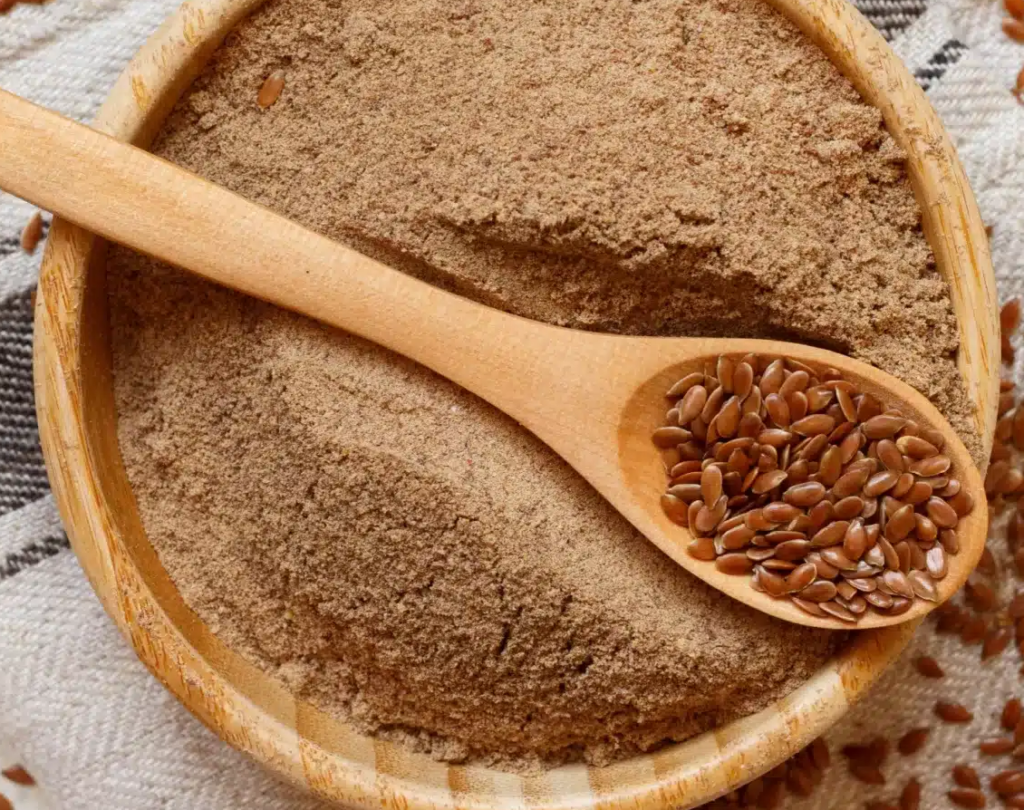
Flaxseed powder is simply flaxseeds (the seeds of the flax plant, Linum usitatissimum) ground into a fine meal. In the whole form, cats can’t break open the seed coat well enough to access the oils inside. So, food makers must mill it (or use oil extracts) so the nutrients are bioavailable.
Some key nutrients in flaxseed powder include:
- Alpha-linolenic acid (ALA), an omega-3 fatty acid
- Dietary fiber, both soluble and insoluble
- Lignans and antioxidants
- Trace minerals (magnesium, manganese, etc.)
- Small amounts of plant protein
According to a controlled feeding study, adding 2.6% ground flaxseed to cat food increased serum ALA (measurable omega-3 in blood) within 14 days, without negatively affecting stool quality or nutrient digestibility.That said, cats are limited in converting ALA into the more powerful omega-3s (EPA and DHA) found in fish oil.
Why Is Flaxseed Powder Used in Cat Diets?
Flaxseed powder is included in some cat foods and supplements for a few attractive reasons:
- To boost omega-3 (ALA) content and help balance fatty acids in the diet
- To add fiber for digestive health or help with stool consistency
- As a source of antioxidants and lignans, which may support general wellness
- To improve palatability or “natural” appeal of formulas
However, flaxseed is not a complete solution. Cats are limited in converting ALA into the more effective omega-3s (EPA, DHA) that their bodies use in many vital processes.
But flaxseed must be used thoughtfully. It’s not a substitute for animal-based nutrients, but rather a supplemental ingredient.
The Good and the Bad of Flaxseed Powder
| Pros | Cons |
| A natural source of omega-3 (ALA) that can support skin and coat health | Cats cannot efficiently convert ALA into EPA and DHA , the more beneficial forms of omega-3s |
| Provides antioxidants and lignans that may help with overall wellness | Contains compounds (like phytic acid) that can interfere with mineral absorption if overused |
| Helps improve stool regularity and gut health in small amounts | Poorly processed or rancid flaxseed may lose nutrients and cause digestive upset |
How to Identify Flaxseed Powder in Cat Food?
When you scan a cat food label, look for:
- “Flaxseed meal”, “ground flaxseed”, or “flaxseed powder”
- Statements like “omega-3 from flax”
- The ingredient should appear after primary proteins and before minor additives
- Avoid vague terms like “flax by-product” without clarity
Note: Also check whether it is a heat-treated or stabilized form to reduce rancidity and degradation
How much flaxseed powder can I give my Cat?
Adult cats can have about ¼ to ½ teaspoon of ground flaxseed or flaxseed oil daily, while kittens should get
⅛ to ¼ teaspoon. Start with a small amount and watch for any digestive changes.
Flaxseed is safe in moderation, but too much can cause bloating, diarrhea, or constipation. Always check with your veterinarian before adding it to your cat’s diet to ensure the dosage and form are right for your pet.
Our Takeaway
Flaxseed powder isn’t a miracle fix, but used carefully, it can be a helpful addition in a cat’s diet. It delivers fiber, ALA (a plant-based omega-3), and antioxidant compounds without upsetting digestion when given in safe, measured amounts.
The benefit depends on how much, how processed, and what else is in the diet. It will never replace essential animal proteins or true marine-based omega-3s (EPA, DHA), but it can complement a well-formulated cat food.
So the next time you see “flaxseed powder” in the ingredients, don’t dismiss it.
Pause, ask: “How much? How good is it? and you’ll keep your cat’s bowl balanced and beneficial.
Next up in the final part of our Inside the Bowl series, we’ll take a look at “Fish oil” and see whether it’s actually good for your cat.