
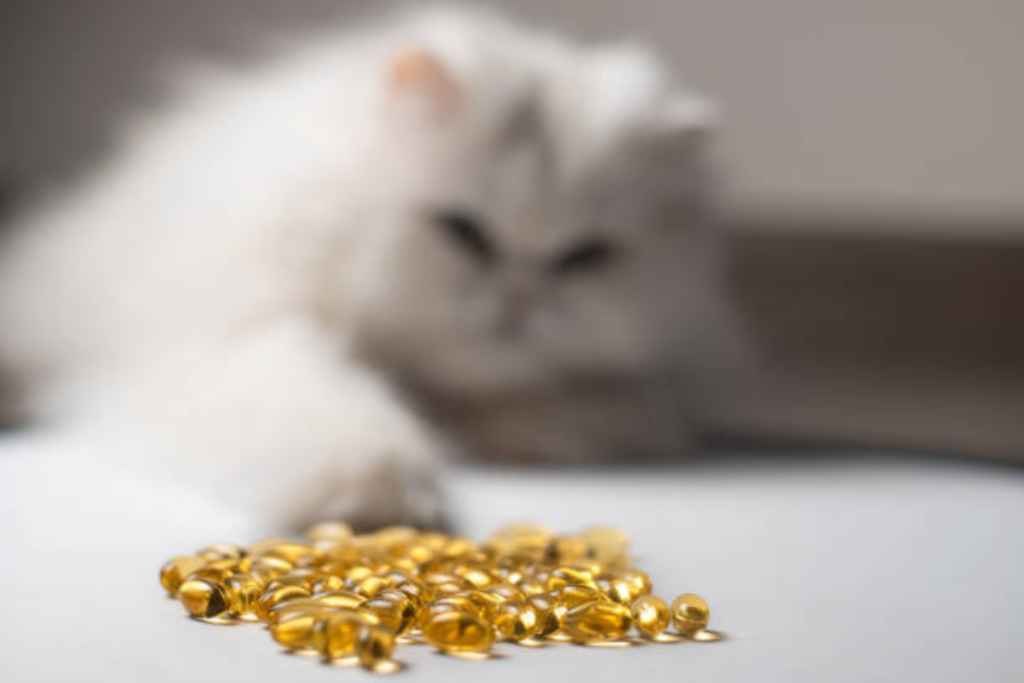
You’ve probably heard about the health benefits of fish oil for humans such as promoting healthy skin, supporting joint function, and maintaining heart health. Recently, it has also become a popular topic in cat care. But does your cat actually need it?
Fish oil for cats is a widely used supplement which is rich in nutrients .These important nutrients can help support your cat’s skin, coat, joints, heart, kidneys, and even brain function.
However, not every cat needs fish oil, and giving too much can sometimes cause problems. Before adding it to your cat’s diet, it’s important to understand how fish oil works, when it can be beneficial, and how to use it safely.
What Is Fish Oil?
Fish oil is a natural fat extracted from oily fish like salmon, mackerel, sardines, and anchovies. What makes it special is its rich supply of omega-3 fatty acids, particularly EPA (eicosapentaenoic acid) and DHA (docosahexaenoic acid).
These two nutrients are essential for cats because their bodies can’t make them in sufficient amounts. While plant-based sources like flaxseed contain ALA (a precursor to omega-3s), cats cannot efficiently convert it to EPA and DHA. This is why fish oil is the preferred source for cats.
Fish oil provides many essential health benefits, from maintaining healthy skin and joints to supporting brain, heart, and kidney function.
| Component | What it contributes |
| EPA and DHA | Powerful anti-inflammatory omega-3s that support the skin, joints, heart, and kidneys |
| Healthy fats | Provide energy and help absorb fat-soluble vitamins |
| Brain and eye support | DHA supports vision and cognitive development |
| Cell health | Keeps cell membranes flexible and functioning properly |
Why Is Fish Oil Used for Cats?
Fish oil can be a valuable source of healthy fatty acids for cats, but it should always be used under the supervision of a veterinarian. It may help support cats dealing with specific health conditions such as:
Healthy skin and coat: Fish oil keeps the skin moisturized and reduces itchiness and flakiness, giving your cat’s coat a natural shine.
Joint and mobility support: The anti-inflammatory properties of EPA and DHA can ease stiffness and improve mobility, especially in older cats.
Kidney and heart health: Studies show that fish oil can slow the progression of kidney disease and help maintain a healthy heart rhythm.
Cognitive and visual development: DHA is vital for brain and eye health in kittens and helps senior cats maintain cognitive function.
Digestive and immune support: Omega-3s help balance inflammation throughout the body, supporting gut and immune system health.
So, when you see “fish oil” on the label, it’s not just a trendy addition,it’s there to nourish your cat from the inside out.

The Good and the Bad of Fish Oil
| Pros | Cons |
| Supports skin health and reduces shedding and itchiness | Too much fish oil can cause diarrhea or vomiting |
| Eases joint stiffness and inflammation | High doses may affect blood clotting or delay wound healing |
| Enhances brain and eye development | Over-supplementation can cause nutrient imbalances |
| Improves coat shine and supports overall immunity | Too much oil can lead to unwanted weight gain or imbalance in the diet’s fat profile. |
How to Give Your Cat Fish Oil?
The best way to give your cat fish oil depends on the type of product you choose. Some cat foods are already enriched with omega-3 fatty acids, making it easy to include in their daily meals. You can also add liquid fish oil directly to your cat’s food, or use gel capsules that can be swallowed whole or opened and mixed into their meal.
Fish oil supplements are also available in tasty chew or paste forms, which many cats enjoy as a treat. Always follow the product instructions or your veterinarian’s guidance to ensure your cat gets the right amount safely.
So How Do You Pick the Right One?
Fish oil is a great ingredient when used properly, but it’s important to choose the right product and quantity.
Look for cat food that lists fish oil or a specific source like salmon oil clearly on the label. Make sure high-quality animal proteins remain the main ingredients, with fish oil playing a supportive role.
If your cat has kidney, heart, or digestive issues, consult your veterinarian before starting a fish oil-enriched food or supplement. They can recommend the right dosage and ensure it doesn’t interact with medications or other supplements.
If you’re adding fish oil as a standalone supplement, use a veterinary-grade product that’s purified and tested for contaminants. Start small, watch for changes in stool or appetite, and always store the oil in a cool, dark place to maintain freshness.
Our Takeaway
Fish oil isn’t just another fancy ingredient on your cat’s food label,it’s a powerhouse of nutrition that supports skin, joints, brain, heart, and kidney health. Its omega-3 fatty acids, EPA and DHA, are vital for reducing inflammation and keeping your cat feeling and looking their best.
The key is moderation and quality. Always choose reputable brands, look for clearly listed sources, and consult your vet if you’re unsure about dosage or supplements.So next time you spot “fish oil” in your cat’s food, you can feel good knowing it’s not just filler,it’s a smart addition designed to keep your feline healthy and happy inside the bowl.
And just like that, we’ve reached the end of our Inside the Bowl series! You’re now officially armed with more cat food knowledge than most pet store aisles. Thanks for reading along, and give your furry food critic a head boop from us!
Join the journey and follow us, there’s lots more to learn, share, and laugh about together!